
Best Property Management Services: Complete Guide to Residential Property Management Companies and Tenant Solutions
Residential property management services offer professional oversight of rental homes by coordinating tenant placement, rent collection, maintenance, legal compliance, and financial reporting to maximize owner income and tenant satisfaction. By leveraging expert market analysis, streamlined workflows, and cutting-edge technology, these managed property services protect investments and save time. This guide explains what full-service property management entails, how tenant screening and maintenance preserve cash flow, how fees are structured, and how to select the right company, while exploring technology trends and legal considerations.
What Are Property Management Services and How Do They Benefit Residential Property Owners?
Property management services encompass the comprehensive administration of rental properties, including tenant acquisition, lease administration, and ongoing maintenance that drives profitability. By centralizing rent collection and occupancy optimization, these services improve cash flow, reduce vacancies, and ensure regulatory compliance. Owners gain actionable reporting and responsive tenant communication, which elevates long-term returns and preserves asset value.
The Value of Property Management Services and Tenant Satisfaction in Real Estate
Experimental research demonstrates that professional property management services add significant value to residential properties, particularly older ones. Additionally, studies on commercial office buildings reveal that a one-point increase in overall tenant satisfaction correlates with a higher willingness to renew leases and a lower probability of tenants moving out, directly impacting gross rents and vacancy rates.
This research verifies the article’s assertions regarding property management’s role in preserving asset value and the critical importance of tenant satisfaction for lease renewals and reduced turnover.
What Does a Property Management Company Do?
A property management company handles leasing, rent collection, vendor coordination, inspections, and financial reporting on behalf of landlords. Through structured processes and local market expertise, managers attract qualified tenants, enforce lease terms, and arrange prompt repairs. This reliable oversight reduces delinquencies and maintains property condition, fostering a positive rental experience that supports steady occupancy.
How Do Property Management Services Maximize Rental Income?
Professional rent strategies set competitive rates based on market analysis, automated reminders ensure timely payments, and vacancy minimization tactics optimize occupancy. A management team analyzes comparable listings, adjusts pricing dynamically, and enforces lease renewals that enhance cash flow. Maximized rental income results from precise market positioning and proactive lease management.
Why Is Tenant Satisfaction Important in Property Management?

Tenant satisfaction drives lease renewals and reduces turnover costs, which average $1,750 per vacancy event. Responsive maintenance workflows, clear communication channels, and user-friendly online portals build resident trust and prompt rent payments. High satisfaction ratings translate into longer tenancies and lower marketing expenses for new tenants.
How Do Property Managers Save Time for Property Owners?
Delegating day-to-day operations—rent collection, emergency repairs, tenant inquiries, and legal notices—frees owners to pursue other investments or personal priorities. Automated financial reporting, vendor networks, and standardized procedures eliminate manual oversight. Owners enjoy consistent performance metrics without the administrative burden of direct management.
How Do Tenant Screening Services Work and Why Are They Essential?
Tenant screening services assess applicant backgrounds, credit histories, and rental references to minimize default risk and legal exposure. By combining rigorous verification steps, these services create reliable resident profiles that protect income streams and property condition. Stringent screening fosters safer communities and lowers eviction rates, securing uninterrupted cash flow.
Landlord Assessment and Impact of Tenant Screening Reports
Studies on tenant screening services reveal that landlords utilize reports containing criminal records, eviction histories, and credit scores to inform leasing decisions. This research highlights that landlords may employ blanket screening policies and exhibit automation bias, which can lead to the disproportionate exclusion of certain groups from rental housing.
This research directly supports the article’s discussion on the essential nature of tenant screening for risk reduction and the types of information assessed, while also acknowledging the broader societal implications.
What Are the Key Steps in the Tenant Screening Process?
Below is a detailed list of core screening steps used to qualify prospective renters:
- Collect applicant information including employment, income, and personal references to establish identity.
- Perform credit checks to verify financial reliability and detect past delinquencies.
- Check criminal records to assess safety risks and compliance with housing regulations.
- Verify rental history through previous landlords to confirm lease adherence and property care.
- Evaluate income-to-rent ratio—typically 2.5:1—to ensure affordability and reduce default likelihood.
These steps create a standardized profile that informs leasing decisions and supports long-term rental stability.
How Does Tenant Screening Reduce Risk for Property Owners?
Comprehensive screening uncovers red flags like unpaid balances, criminal records, or unstable employment that predict future disputes. By filtering applicants through consistent criteria, owners maintain compliance with fair housing laws and avoid costly litigation. Effective risk mitigation preserves rental income and property condition.
What Technologies Enhance Tenant Screening Services?
Modern screening leverages AI-powered analytics, automated background-check platforms, and integrated software to streamline verification and flag anomalies. Machine-learning algorithms predict tenant performance based on historical data, while cloud-based portals expedite document submission. These tools accelerate decision-making and improve screening accuracy.
What Are Property Maintenance Services and How Do They Protect Your Investment?
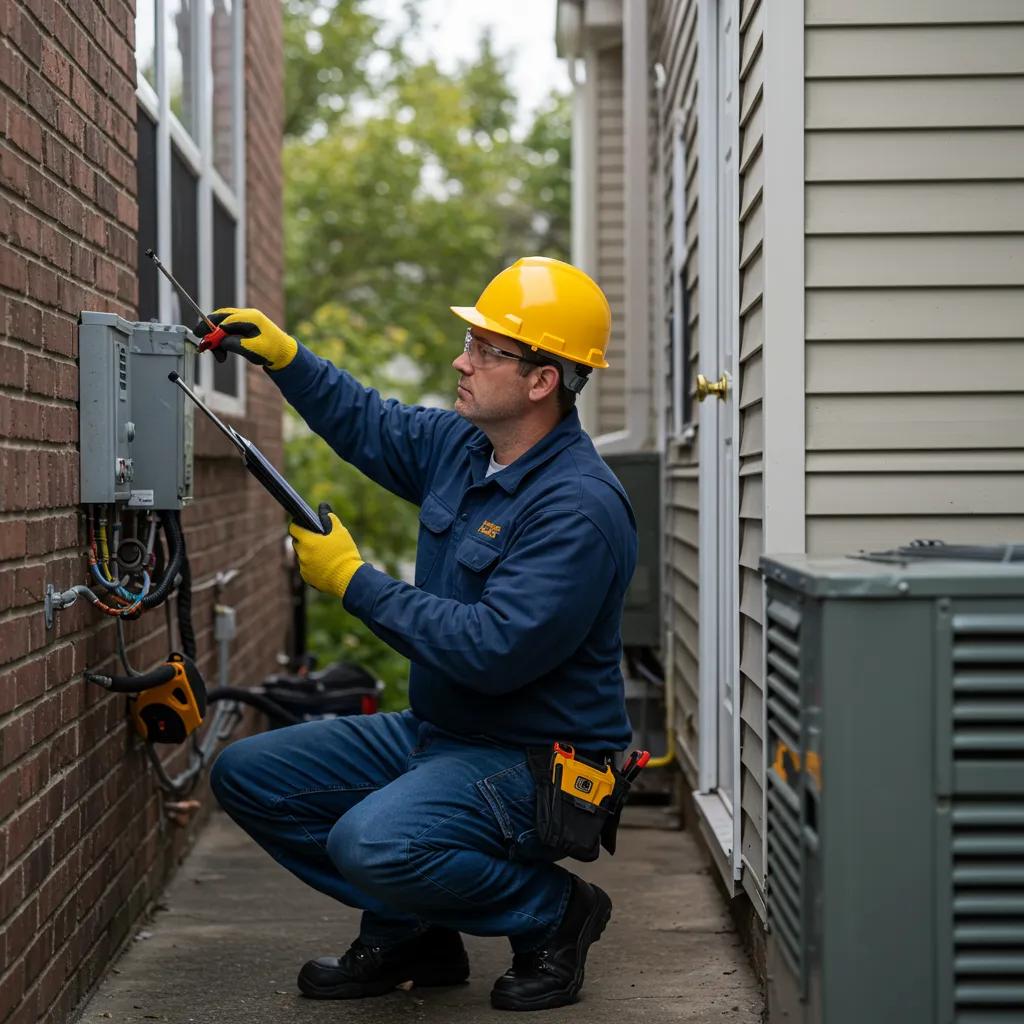
Property maintenance services involve routine inspections, preventive upkeep, and emergency repairs that safeguard structural integrity and curb depreciation. Through scheduled maintenance and rapid response systems, managers preserve asset value and tenant satisfaction. Consistent care reduces long-term repair costs and supports sustainable occupancy.
What Types of Maintenance Services Are Included in Property Management?
Maintenance offerings typically include routine inspections to identify wear, emergency repairs for urgent issues, preventive servicing of HVAC and roofing, and cosmetic updates between tenancies. These core tasks maintain habitability, protect building systems, and uphold community standards.
Preventive and responsive maintenance services extend asset lifespan, lower vacancy rates, and reinforce resident retention, leading into fee considerations for owners.
How Does Regular Maintenance Improve Tenant Satisfaction and Retention?
Timely upkeep and clear communication about repair timelines assure residents that their needs matter, fostering loyalty. Well-maintained common areas and efficient issue resolution encourage lease renewals. By reducing frustration over unresolved problems, managers build positive landlord-tenant relationships that decrease turnover.
How Is Technology Used in Property Maintenance?
IoT sensors monitor HVAC performance and detect leaks before damage occurs, while predictive analytics schedule service when equipment shows wear. Mobile maintenance apps enable tenants to submit work orders instantly, and vendor portals track job completion. These innovations streamline operations and improve response times.
How Are Property Management Fees Structured and What Should Owners Expect?
Property management fees usually include a base management percentage, leasing fees, and variable charges for maintenance coordination or specialty services. Transparent fee models align provider incentives with owner goals, ensuring cost predictability and demonstrable ROI through professional oversight.
What Are Typical Property Management Fee Models?
Below is a concise overview of common fee structures in residential property management:
How Do Fees Vary by Property Type and Service Level?
Larger multi-unit complexes often negotiate lower percentage rates due to volume, while standalone homes may incur flat fees that include a limited number of service calls. Premium packages can bundle accounting, marketing, and legal services at a higher rate, whereas basic plans cover core management only.
What Are the Benefits of Paying Property Management Fees?
Investing in professional management delivers time savings, expertise in regulatory compliance, reduced vacancy rates, and access to vetted vendor networks. The resulting increase in net operating income often exceeds management costs through optimized rent pricing and lower repair expenditures.
How to Choose the Best Residential Property Management Company?
Selecting the right management partner requires assessing experience, service offerings, reputation, and alignment with owner objectives. A systematic evaluation ensures that the chosen provider delivers on performance guarantees and maintains transparent reporting.
What Criteria Should Property Owners Use to Evaluate Management Companies?
Owners should compare companies based on years in business, portfolio size, scope of services, response time guarantees, and financial reporting transparency. Verifying references and reading independent reviews reveal real-world performance. Clear contract terms and exit clauses further protect owner interests.
How Do Local Market Knowledge and Regulatory Compliance Impact Choice?
A manager’s familiarity with neighborhood trends, rental demand drivers, and local landlord-tenant laws ensures accurate pricing and efficient leasing. Compliance expertise prevents costly fines and litigation. Local insights inform marketing strategies that shorten vacancy periods and maximize returns.
What Questions Should Owners Ask Before Hiring a Property Manager?
Essential inquiries cover fee structures, vacancy reduction strategies, maintenance protocols, communication methods, and eviction procedures. Asking for sample financial reports, marketing plans, and legal compliance checklists clarifies how a provider aligns with owner goals.
How Does Technology Transform Property Management Services?
Emerging technologies such as AI, IoT, and integrated software platforms automate routine tasks, enhance data-driven decision-making, and improve tenant and owner experiences. Digital transformation in property management boosts efficiency and transparency across all service lines.
Key Technology Trends Shaping Property Management in 2025
The property management sector is experiencing a significant technological evolution, with AI-powered automation and IoT devices at the forefront. AI is being leveraged for dynamic pricing, guest communications, and operational workflows, while smart buildings integrate IoT sensors to optimize energy usage and monitor environmental conditions, leading to substantial operational cost reductions.
This research confirms the article’s discussion on the transformative role of AI, IoT, and integrated software solutions in modern property management, highlighting their impact on efficiency and cost savings.
What Role Does AI Play in Tenant Screening and Lease Management?
AI algorithms analyze large datasets to predict tenant reliability, automate background checks, and flag compliance issues during lease drafting. Smart lease templates adapt to local regulations, reducing legal risk and speeding contract approvals.
How Do IoT and Smart Home Features Enhance Property Maintenance?
Connected sensors monitor water usage, temperature fluctuations, and device malfunctions, triggering preventive actions before issues escalate. Smart locks and energy-efficient thermostats improve tenant convenience and lower utility costs, reinforcing property value.
What Software Solutions Streamline Financial Reporting and Communication?
Cloud-based platforms consolidate rent payments, expense tracking, and owner dashboards into real time interfaces. Automated notifications keep tenants informed about rent due dates and work-order statuses, while owners receive monthly statements that detail performance metrics for strategic planning.
What Are the Legal and Regulatory Considerations in Property Management?
Legal oversight in property management covers lease compliance, fair housing laws, eviction procedures, and local ordinances that govern rental properties. Expert administration of these requirements mitigates liability and protects owner interests.
How Do Property Managers Ensure Lease Administration and Legal Compliance?
Managers draft lease agreements that incorporate local statutes, handle security deposit requirements, and track critical dates like renewals and inspections. Regular training on fair housing and landlord-tenant laws ensures consistent adherence to evolving regulations.
What Is the Eviction Process and How Is It Managed Professionally?
The eviction process follows jurisdictional rules for notices, court filings, and enforcement actions. Property managers coordinate legal counsel, prepare documentation, and oversee locked-out procedures to expedite resolution while remaining compliant with due-process standards.
How Do Local and Federal Laws Affect Property Management Services?
Local rent control ordinances, building codes, and health and safety regulations shape maintenance protocols and rent adjustments. Federal statutes like the Fair Housing Act impose non-discrimination requirements. Managers interpret and apply these rules to ensure lawful operations.
Residential property management services combine operational expertise, technology innovation, and legal proficiency to protect investments, enhance tenant experiences, and deliver predictable returns. By understanding service offerings, fee structures, and regulatory requirements, owners can select a partner that maximizes rental income and safeguards long-term value. Exploring these themes empowers landlords to delegate management tasks confidently and focus on strategic growth.