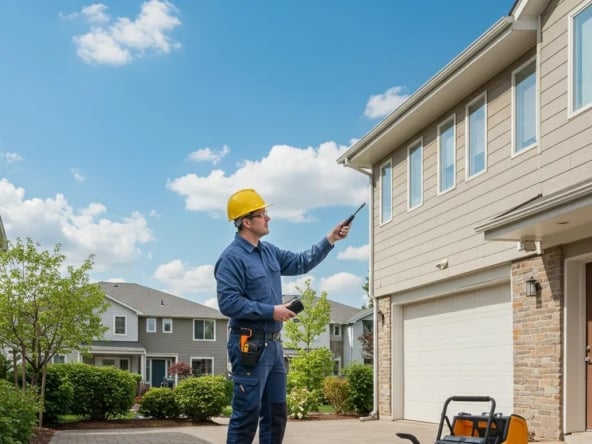
Comprehensive Residential Rental Management Services: How to Maximize Rental Income and Simplify Landlord Responsibilities
Struggling with tenant turnover, maintenance headaches, and fluctuating rental rates? Residential rental management brings together tenant lifecycle oversight, property care, financial and legal compliance, investment growth strategies, and cutting-edge technology to boost revenue and streamline landlord duties. In this guide, you’ll discover how professional residential rental management services deliver end-to-end solutions for tenant screening, maintenance coordination, financial reporting, portfolio expansion, and software integration—all designed to maximize rental income and protect your investment.
What Are Residential Rental Management Services and Why Are They Essential?
Residential rental management services encompass a suite of professional offerings that handle every aspect of leasing, maintaining, and optimizing rental property performance. By centralizing tenant acquisition, property upkeep, and compliance tasks, these services minimize vacancies and legal risks while ensuring a reliable income stream. For example, engaging a residential rental management company transforms reactive repairs into scheduled preventive maintenance, preserving asset value over time.
What Does a Residential Property Manager Do?
A residential property manager acts as the intermediary between landlord and tenant, overseeing marketing, leasing, rent collection, maintenance, and legal compliance. They coordinate advertising listings, screen applicants, draft leases, enforce policies, collect payments, schedule repairs, and handle disputes—allowing owners to focus on investment growth without day-to-day operational burdens.
How Do Residential Rental Management Companies Benefit Landlords?
Residential rental property management companies deliver four core benefits:
- Revenue Optimization through market-driven pricing and vacancy minimization.
- Risk Mitigation via thorough tenant screening and legal enforcement.
- Cost Control with preventive maintenance and vendor negotiation.
- Time Savings by delegating routine and emergency tasks to experts.
These outcomes translate into higher net operating income and reduced stress for property owners.
What Services Are Included in Rental Property Management Solutions?
Below is a breakdown of key offerings provided by leading residential rental management companies.
Each service contributes to a cohesive management framework that secures stable rental income and protects asset health, setting the stage for effective tenant lifecycle management.
How Does Tenant Lifecycle Management Improve Rental Property Success?
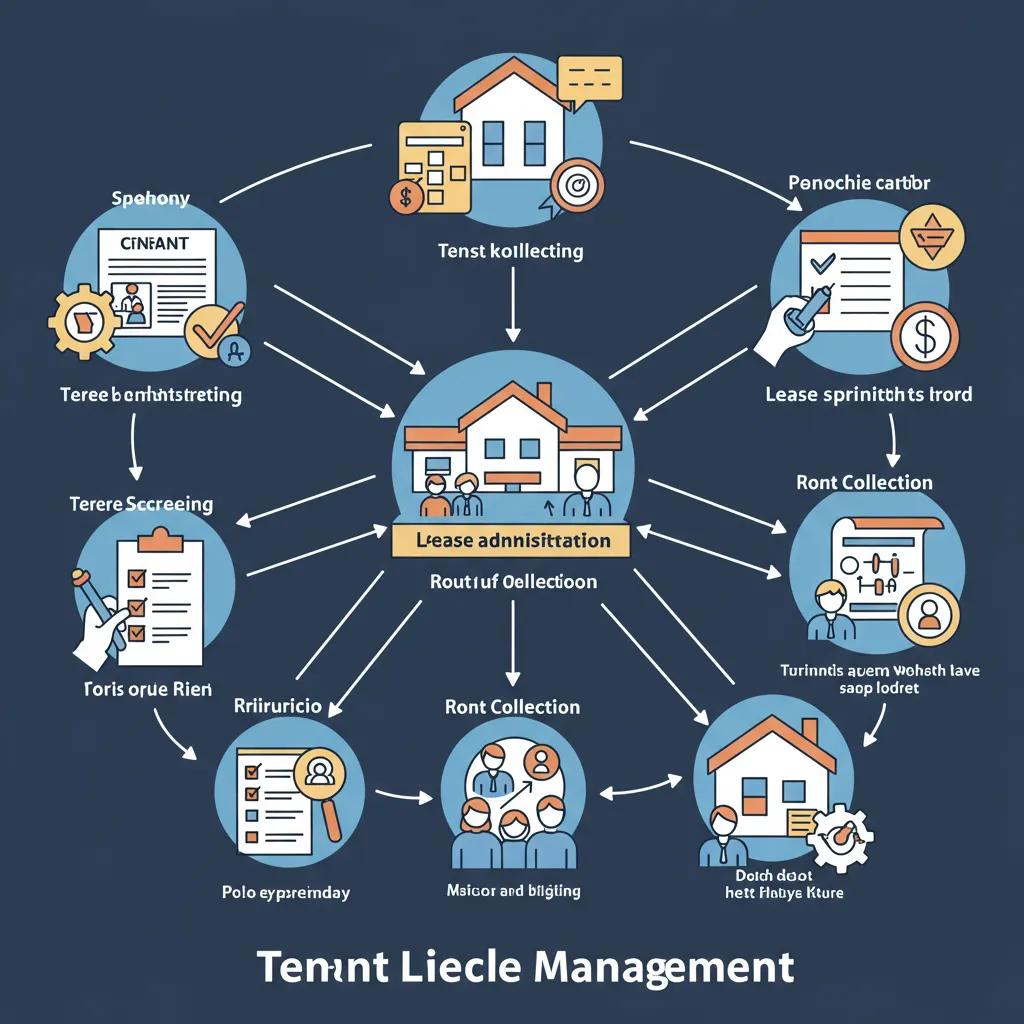
Effective tenant lifecycle management integrates screening, lease administration, rent collection, and eviction services into a seamless process that enhances occupancy rates and owner satisfaction. By proactively vetting applicants, consistently enforcing lease terms, and streamlining payments, residential rental management companies minimize turnover costs and foster long-term tenancies.
What Is the Tenant Screening Process and Why Is It Important?
Tenant screening involves evaluating an applicant’s credit score, criminal history, employment, and rental references to assess reliability. This process prevents costly evictions and late payments by selecting responsible residents who are likely to fulfill lease obligations. For instance, combining credit and criminal checks with previous landlord interviews yields a comprehensive risk profile.
The Critical Role of Tenant Screening and Legal Compliance in Rental Property Management
Tenant screening is a vital process that involves evaluating an applicant’s credit score, criminal history, and eviction records to identify reliable residents, thereby reducing financial risks for landlords. The rental industry is extensively governed by federal, state, and local landlord-tenant laws, including the Fair Housing Act, which mandate compliance with lease terms, eviction procedures, and habitability standards to prevent legal disputes.
How Are Background and Credit Checks Conducted?
Background and credit checks are performed through authorized third-party services that access public records, credit bureaus, and criminal databases. After obtaining applicant consent, a property manager reviews:
- Credit Score – Indicates financial responsibility
- Criminal Records – Flags legal issues
- Eviction History – Reveals past lease conflicts
This multi-dimensional assessment reduces default risk and aligns tenant quality with property standards.
What Are Best Practices for Lease Administration and Enforcement?
Lease administration must balance clarity with legal precision. Best practices include:
- Drafting comprehensive lease agreements that specify rent, term, and maintenance obligations.
- Scheduling automated renewal notices 60 days before lease expiration.
- Enforcing late fees and policy violations uniformly to maintain fairness and deter noncompliance.
Applying these steps secures contractual integrity and sets clear expectations for both parties, paving the way for consistent rent collection.
How Is Rent Collected and What Are Online Payment Options?
Rent collection leverages digital platforms to offer tenants convenience and owners reliable cash flow. Common methods include:
- Direct ACH Transfers to owner accounts.
- Credit/Debit Card Payments via secure portals.
- Mobile App Billing with automated reminders.
These online solutions reduce manual processing errors and encourage on-time payments, strengthening financial predictability for property owners and management companies alike.
What Are the Steps in the Eviction Process for Residential Rentals?
When lease violations occur, a structured eviction process ensures legal compliance and tenant fairness:
- Issue Notice to Cure or Quit specifying breach and cure period.
- File Unlawful Detainer with the court after non-compliance.
- Attend Hearing to present evidence of lease violation.
- Secure Writ of Possession for authorized tenant removal.
- Coordinate Lock-out through legal officers.
Following each legal requirement reduces liability and expedites resolution, safeguarding both landlord rights and due process.
Transitioning from tenant lifecycle to property care highlights how maintenance practices protect rental investments.
How Does Property Care and Maintenance Protect Rental Investments?
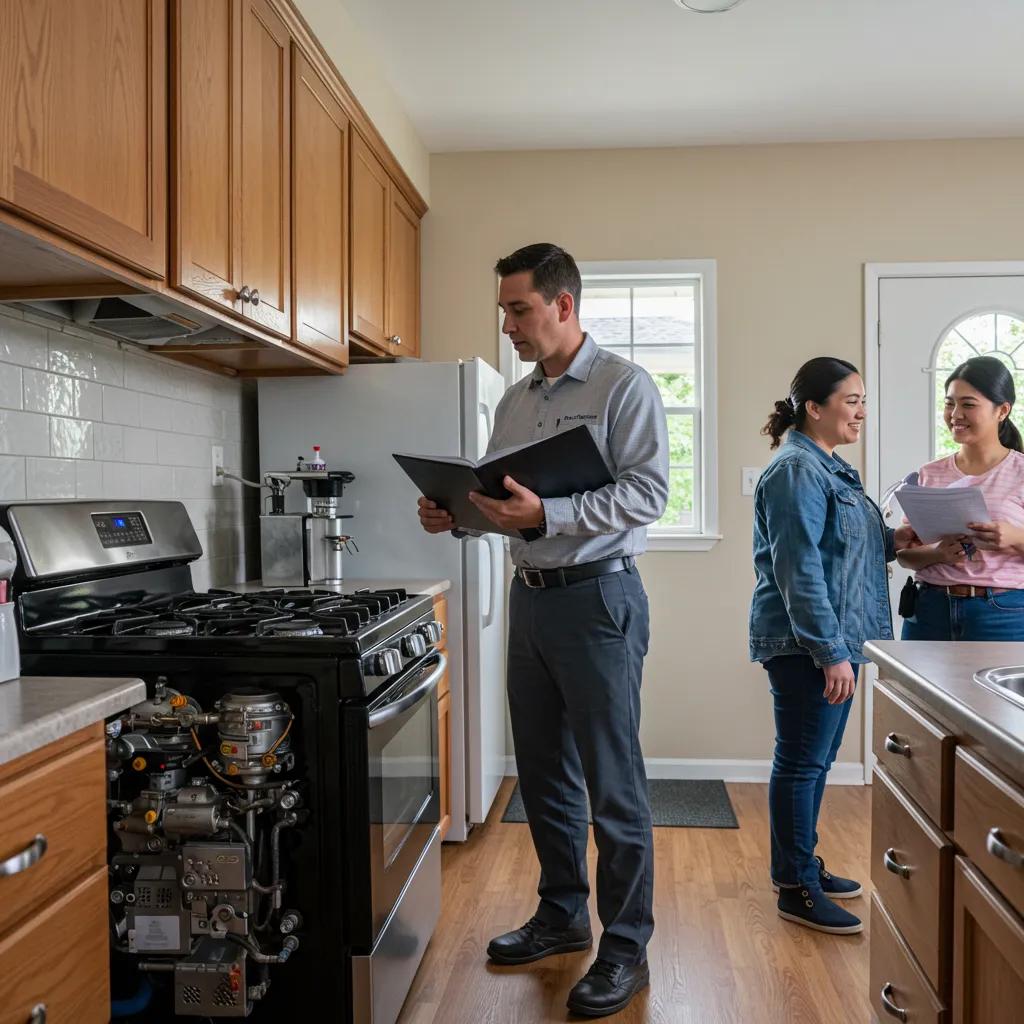
Property care and maintenance form the backbone of asset preservation, preventing small issues from escalating into costly repairs. Routine inspections and vendor management ensure rental units remain safe, functional, and attractive—factors that directly influence tenant satisfaction and retention.
What Routine and Preventative Maintenance Services Are Offered?
Routine maintenance services include HVAC filter changes, gutter cleaning, and safety inspections, while preventative tasks address roof integrity, plumbing leaks, and pest control. By scheduling these services quarterly or biannually, property managers extend the life of building systems and reduce emergency repair frequency.
How Are Emergency Repairs Managed Efficiently?
Emergency repair protocols prioritize rapid response for critical failures—such as plumbing bursts or electrical hazards—through a 24/7 on-call network. Trained technicians assess issues upon notification, secure temporary fixes, and follow up with permanent solutions, limiting downtime and tenant inconvenience.
Why Is Vendor Management Critical for Property Maintenance?
Effective vendor management establishes preferred relationships with vetted contractors, enabling:
- Competitive Pricing through bulk service agreements.
- Quality Assurance via performance metrics and reviews.
- Faster Turnaround with prioritized scheduling.
Centralizing contractor coordination streamlines maintenance workflows and assures property owners that each repair meets professional standards.
How Do Property Inspections Support Maintenance and Compliance?
Regular property inspections combine checklists for structural integrity, lease adherence, and habitability standards. Inspectors document wear-and-tear, identify lease violations, and verify safety equipment. These findings feed into maintenance schedules and compliance reports, fostering a proactive care strategy that reduces liability and fosters tenant satisfaction.
Concluding maintenance practices naturally leads into financial and legal compliance services, which underpin landlord security.
What Financial and Legal Compliance Services Support Landlords?
Comprehensive residential rental management encompasses market analysis, financial reporting, legal oversight, tax assistance, and insurance guidance—each element ensuring landlords meet obligations and maximize returns within regulatory frameworks.
How Is Rental Market Analysis Used to Optimize Rental Rates?
Rental market analysis reviews comparable listings, vacancy trends, and local demand indicators to set competitive yet profitable rates. Tools aggregate neighborhood data—such as average rent per square foot and turnover rates—to pinpoint optimal pricing, balancing occupancy with revenue targets.
What Financial Reporting Do Property Managers Provide to Owners?
Property managers deliver transparent monthly statements detailing:
- Income from rent and fees.
- Expenses like maintenance, utilities, and management commissions.
- Net Cash Flow for owner disbursement.
These reports simplify tax preparation, inform budgeting, and illustrate return on investment, reinforcing trust in the management partnership.
How Do Property Managers Ensure Legal Compliance with Landlord-Tenant Laws?
Staying current with federal, state, and local housing regulations, property managers:
- Draft leases in accordance with fair housing and habitability statutes.
- Process security deposit handling per statutory timelines.
- File required disclosures and maintain record retention.
This proactive compliance framework avoids costly litigation and preserves landlord reputation.
What Tax Preparation and Insurance Guidance Are Available?
Management firms often collaborate with certified accountants and insurance specialists to advise on:
- Deductible Expenses for mortgage interest, repairs, and depreciation.
- Policy Coverage for liability, property damage, and rent loss.
- Annual Filings aligning expense categorization with IRS requirements.
These services reduce financial risk and ensure owners claim all eligible tax benefits.
Financial and legal diligence supports long-term portfolio growth, which is enhanced through strategic investment management.
How Can Real Estate Investment and Portfolio Growth Be Enhanced Through Management?
Advanced residential rental management goes beyond operations to guide investment decisions, optimize asset allocation, and leverage market intelligence—helping owners scale holdings while maximizing returns.
What Strategies Support Real Estate Investment in Residential Rentals?
Effective strategies include:
- Value-Add Renovations to justify rent increases.
- 1031 Exchanges for tax-deferred property swaps.
- Diversification across single-family, duplex, and multifamily units.
Combining these tactics with professional management ensures acquisitions align with cash-flow goals and risk tolerance.
How Does Portfolio Optimization Maximize Rental Property ROI?
Portfolio optimization involves performance benchmarking, risk assessment, and capital allocation analysis. Managers evaluate each asset’s net operating income, expense ratios, and appreciation potential—guiding owners to reposition or divest underperforming properties and reinvest in high-yield opportunities.
What Role Does Market Trend Analysis Play in Property Acquisition?
Market trend analysis monitors demographic shifts, employment growth, infrastructure developments, and neighborhood revitalization. Identifying emerging hotspots lets investors acquire properties at favorable valuations before demand drives price appreciation, strengthening long-term portfolio value.
Shifting from investment tactics to technology solutions reveals how digital tools accelerate management efficiency.
How Is Technology Transforming Residential Rental Management?
Technology streamlines operations, enhances communication, and provides data-driven insights for proactive decision-making. Property management software, smart home integration, and digital communication platforms form a digital ecosystem that elevates service quality and tenant satisfaction.
What Features Should You Look for in Property Management Software?
Leading property management platforms offer:
- Automated Listing Syndication across major rental sites.
- Integrated Accounting Modules for real-time financial tracking.
- Maintenance Portals for work orders and vendor assignments.
- Tenant Self-Service Dashboards for online payments and requests.
Evaluating these capabilities ensures owners and managers leverage analytics, reduce manual tasks, and foster tenant engagement.
How Does Smart Home Integration Benefit Rental Properties?
Smart home features—such as keyless entry, thermostats, and security cameras—enhance tenant convenience and energy efficiency. Remote monitoring and automated climate controls lower utility costs, while smart locks streamline access for maintenance personnel, improving safety and operational control.
What Digital Communication Tools Improve Tenant and Landlord Interaction?
Platforms with messaging, notifications, and document storage allow instant updates on rent reminders, maintenance status, and policy changes. These tools foster transparency, reduce response times, and build tenant trust, which directly correlates with higher renewal rates and reduced churn.
Technology’s Transformative Impact on Property Management Efficiency and Tenant Satisfaction
Technology is fundamentally reshaping property management by streamlining operations, enhancing communication, and providing data-driven insights. Property management software centralizes tasks such as rent collection and maintenance requests, while smart home integrations improve tenant convenience and energy efficiency. Studies indicate that the adoption of technology in property management can lead to increased tenant retention rates and overall revenue growth.
This research supports the article’s discussion on how innovative technology, including property management software and smart home features, contributes to operational efficiency, improved tenant experiences, and enhanced financial performance in residential rental management.
What Are Common Questions About Residential Rental Management Services?
This section clarifies typical concerns regarding fees, income maximization, and selection criteria, offering direct insights without generic FAQ templates.
How Much Do Residential Rental Management Companies Charge?
Residential rental management companies generally charge:
- 8–12% of monthly rent for full-service management.
- One-time Leasing Fee equal to 50–100% of one month’s rent.
- Eviction Service Fees between $200 and $500 per occurrence.
Understanding these structures helps owners budget accurately and compare service value.
Maximizing Rental Income and Managing Costs with Professional Property Management
Professional property management services are shown to increase rental income by minimizing vacancy rates through efficient marketing and improving tenant retention. These services typically charge a monthly management fee ranging from 8% to 12% of collected rent. Additional one-time fees may include a tenant placement fee, often 50% to 100% of one month’s rent, and eviction service fees, which can range from $200 to $500 per occurrence.
How Do Property Managers Maximize Rental Income and Minimize Vacancies?
Property managers apply three key methods:
- Dynamic Pricing leveraging market data to adjust rent.
- Aggressive Marketing across digital channels to attract qualified leads.
- Tenant Retention Programs offering renewal incentives and responsive service.
These tactics collectively drive higher occupancy rates and sustained income growth.
What Are the Benefits of Hiring a Professional Property Manager?
Engaging a residential rental management company delivers:
- Expert Market Insight for competitive pricing.
- Streamlined Operations freeing owner time.
- Legal Safeguards through compliance and standardized processes.
These advantages produce peace of mind and consistent financial performance.
How Do You Choose the Best Residential Property Management Company?
Selecting the right partner involves evaluating:
- Experience and Specialization in your property type.
- Transparent Reporting and communication protocols.
- Responsive Maintenance Network with vetted vendors.
- Client References and Reviews demonstrating track record.
Assessing these criteria ensures alignment with your investment goals and operational expectations.
Turning to these comprehensive considerations empowers landlords with clarity on costs, benefits, and selection, culminating in an informed decision.
In embracing residential rental management services, property owners unlock professional expertise that safeguards assets and enhances returns. Through structured tenant lifecycle processes, proactive maintenance, thorough financial and legal oversight, strategic investment guidance, and innovative technology, these services form an integrated ecosystem for rental success. By aligning each element—from market-driven pricing to vendor coordination—with core objectives, landlords experience reduced risk, improved cash flow, and simplified operations. Partnering with a seasoned residential rental management company transforms property ownership into a scalable, income-generating enterprise built for long-term growth.