Comprehensive Guide to Property Professionals: Roles, Certifications, Services, and Industry Trends
Professional property management combines specialized expertise, industry best practices, and technology-driven solutions to optimize asset performance and tenant satisfaction. This guide examines who property professionals are, the benefits of hiring them, the core services they deliver, relevant certifications, technological transformations, market trends, and actionable criteria for choosing the right partner. Readers will gain clear insights into property manager responsibilities, how real estate agents differ, the value of accredited credentials, emerging PropTech innovations, and selection checklists that ensure confidence in decision-making. Whether you own one rental unit or oversee a large portfolio, understanding these facets empowers you to maximize ROI, streamline operations, and maintain compliance with evolving regulations.
Who Are Property Professionals and What Roles Do They Perform?
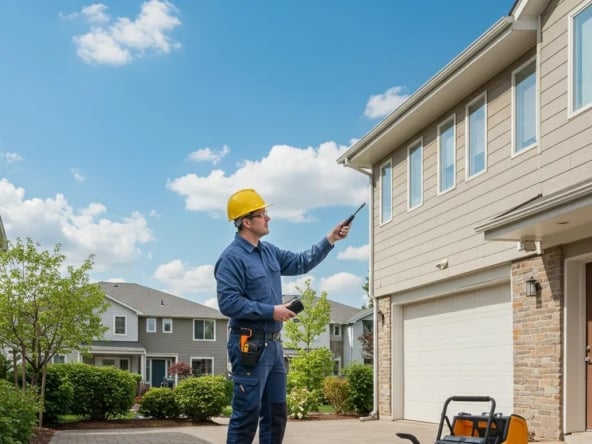
Property professionals include licensed managers, agents, brokers, and niche specialists who handle every aspect of real estate operations from leasing to maintenance. Their expertise in tenant screening, financial reporting, legal compliance, and facility oversight enables owners to delegate time-consuming tasks with confidence. For instance, a professional property management company leverages market analysis and standardized processes to minimize vacancies and protect owner investments.
What Does a Property Manager Do? Key Responsibilities Explained
A property manager oversees daily operations of rental and commercial properties by coordinating tenant relations, maintenance, and financial tasks to preserve asset value and maximize income.
Key responsibilities include:
- Tenant Screening and Selection – Implementing credit, background, and employment verification to ensure reliable occupancy.
- Rent Collection and Accounting – Managing timely payment processing, tracking delinquencies, and providing transparent reporting.
- Maintenance Coordination – Scheduling inspections, repairs, and preventive upkeep to maintain property condition.
- Lease Administration – Drafting agreements, enforcing lease terms, and handling renewals or terminations.
- Compliance Management – Ensuring adherence to local housing laws, safety codes, and fair-housing regulations.
These functions integrate seamlessly into an owner’s strategy, setting the stage for deeper differentiation between property managers and other real estate professionals.
How Do Real Estate Agents and Property Managers Differ?
Real estate agents and property managers both serve owners, but their scopes and objectives diverge significantly.
This comparison clarifies why owners engage agents for transactions and managers for sustained asset oversight.
What Specialized Roles Exist Within Property Management?
Beyond general managers, specialized professionals address unique segments of the market.
Key niche roles include:
- Community Association Manager (CAM) who enforces HOA rules and budgets.
- Certified Apartment Manager (CAM) focusing on large multifamily complexes.
- Commercial Property Manager handling office, retail, or industrial portfolios.
- Asset Manager who strategizes capital improvements and investment performance.
Each specialist contributes targeted skills that strengthen property value and operational efficiency for distinct asset classes.
What Are the Benefits of Hiring a Professional Property Manager?

Engaging a property management professional transforms owner stress into predictable performance by applying proven systems and industry knowledge. This partnership delivers financial returns, tenant loyalty, and regulatory security, making professional services an essential complement to real estate ownership.
How Can Property Managers Maximize Rental Income and ROI?
Property managers boost owner revenue by setting competitive rents, reducing vacancy periods, and controlling operating costs.
They achieve this through:
- Market Analysis – Conducting comprehensive rent studies to price units accurately and attract qualified tenants.
- Dynamic Marketing – Leveraging online listings and professional photography to minimize time on market.
- Proactive Maintenance – Scheduling preventive repairs to avoid costly emergencies and uphold property appeal.
- Expense Optimization – Negotiating vendor contracts and implementing energy-efficient upgrades.
By aligning pricing with market trends and minimizing overhead, managers elevate ROI and owner satisfaction.
How Do Property Professionals Improve Tenant Satisfaction and Retention?
Professional property management enhances resident experience by delivering responsive service and clear communication.
2025 Renter Preferences Report: Data-Driven Strategies to Increase Satisfaction and Occupancy
A 2025 report, based on a survey of over 2,000 U.S. renters, indicates that 85% of renters are satisfied with their property manager, and satisfied renters are 73% more likely to renew their lease. The study also highlights that nearly one in five renters consider seeking a better property manager as a key reason for moving.
This report provides current insights into tenant preferences and satisfaction, directly supporting the article’s sections on improving tenant satisfaction and understanding what renters want in 2025.
Core retention strategies include:
- 24/7 Maintenance Request Systems that streamline issue resolution.
- Digital Payment Portals offering convenient rent transactions.
- Routine Community Engagement such as newsletters and resident events.
- Transparent Lease Renewals with early notifications and incentive programs.
Satisfied tenants renew leases more often, reducing turnover costs and stabilizing cash flow.
In What Ways Do Property Managers Reduce Legal and Administrative Burdens?
By overseeing compliance and documentation, property managers shield owners from disputes and regulatory violations.
Administrative relief comes from:
- Lease Drafting and Enforcement – Crafting legally sound agreements aligned with state statutes.
- Eviction Management – Navigating court processes and timelines to recover possession efficiently.
- Risk Mitigation – Conducting safety inspections, securing appropriate insurance, and maintaining records.
- Tax Reporting – Preparing expense ledgers and year-end statements to support accurate filings.
This end-to-end support allows owners to focus on strategy rather than paperwork.
What Core Services Do Property Professionals Offer?
Professional property management companies deliver integrated services that cover every aspect of rental operations. These core offerings include marketing, tenant relations, financial control, maintenance coordination, and compliance assurance to maintain asset performance and owner peace of mind.
How Is Tenant Screening and Lease Management Handled?
Tenant screening relies on structured processes to verify prospective residents and protect owner interests.
Screening and leasing steps include:
- Application Review – Collecting credit, criminal, and rental histories.
- Income Verification – Confirming stable earnings to support lease obligations.
- Lease Preparation – Drafting agreements with clear terms, deposit requirements, and renewal clauses.
- Move-In Coordination – Conducting condition inspections and documenting handover details.
Thorough screening paired with robust lease management minimizes default risk and legal exposure.
What Are the Best Practices for Rent Collection and Financial Reporting?
Accurate rent collection and transparent reporting underpin trust between owners and managers.
Implementing these procedures ensures consistent revenue and clear financial insights for strategic decision-making.
How Do Property Managers Oversee Maintenance and Property Operations?
Maintenance oversight combines predictive scheduling with rapid response to tenant concerns, ensuring assets stay in optimal condition.
Operational controls include:
- Preventive Inspection Programs that identify wear before failures occur.
- Licensed Contractor Networks providing reliable, cost-effective repairs.
- Emergency Response Protocols guaranteeing safety and minimizing downtime.
- Capital Improvement Planning to budget upgrades that drive long-term value.
This structured approach preserves property appeal and reduces unplanned expenses.
How Is Legal and Regulatory Compliance Ensured by Property Professionals?
Keeping pace with changing legislation and safety standards protects owners from liabilities. Compliance measures involve:
- Regular Updates on Fair-Housing, building codes, and local ordinances.
- Document Retention Policies that archive all lease, repair, and communication records.
- Accessibility Modifications aligned with ADA requirements when applicable.
- Audit Preparation for inspections by municipalities or insurance carriers.
Proactive compliance management translates into risk reduction and operational continuity.
What Property Management Certifications Are Available and How Do They Impact Careers?
Industry certifications validate expertise, expand career opportunities, and signal professional credibility. Programs cover residential, commercial, and association management, empowering practitioners to deliver higher-quality services and command premium fees.
What Are the Key Certifications for Property Managers (CPM, RMP, CAM)?
Certified credentials reflect rigorous training and industry standards.
Earning these credentials enhances marketability and professional networks while signaling advanced competence.
How Do Licensing Requirements Vary by State for Property Professionals?
State licensing often dictates who can perform management duties and what disclosures are required.
Typical variations include:
- Broker License Requirements for oversight or fee-based compensation.
- Renewal Intervals and Continuing Education credits mandated by regulatory bodies.
- Bonding or Insurance Coverage thresholds to protect client assets.
- Local Registration Fees for city or county business licensing.
Understanding these distinctions ensures managers operate legally and maintain good standing.
How Do Certifications Enhance Professional Credibility and Expertise?
Credentials demonstrate commitment to ethics, best practices, and continuous learning. Certified professionals benefit from:
- Access to Advanced Training on topics like risk mitigation and financial analytics.
- Peer Mentorship within industry associations that share emerging trends.
- Recognition by Owners and Investors seeking qualified management partners.
- Competitive Differentiation that justifies premium service fees.
These advantages reinforce trust and drive business growth for credentialed managers.
How Is Technology Transforming Property Management Services?

PropTech innovations streamline operations, improve data accuracy, and enhance stakeholder experiences. From AI-driven analytics to IoT-enabled facilities, technology reshapes how property professionals deliver value across the asset lifecycle.
What Are the Leading Property Management Software Solutions?
Modern platforms integrate multiple functions into unified dashboards.
Top solutions include:
- End-to-End Suites offering marketing, screening, maintenance, and accounting in one interface.
- Specialized Tools for lease tracking, tenant communication, or mobile inspections.
- Cloud-Based Systems enabling remote access and real-time collaboration.
- API-Enabled Software that connects to third-party services such as e-signatures or payment gateways.
These systems accelerate workflows and reduce manual errors.
How Are PropTech Innovations Like AI and IoT Changing Property Management?
Emerging technologies deliver predictive insights and automated controls.
Key integrations feature:
- AI-Powered Pricing Models that adjust rent based on demand signals.
- IoT Sensors monitoring HVAC, water usage, or security systems for proactive maintenance.
- Chatbots handling routine tenant inquiries and service requests 24/7.
- Data Analytics platforms aggregating performance metrics to inform capital planning.
How PropTech is Changing the Commercial Real Estate Landscape
PropTech solutions are significantly enhancing property management efficiency, improving tenant experiences through smart building technologies like IoT devices, and enabling data-driven decision-making. These innovations streamline operations, reduce the workload for property managers, and contribute to sustainability by optimizing energy usage and promoting green building certifications.
This article directly supports the discussion on how technology, specifically PropTech innovations like AI and IoT, is transforming property management services and benefiting both owners and tenants.
What Are the Benefits of Digital Tools for Owners and Tenants?
Digital platforms foster transparency, convenience, and engagement across stakeholders.
Advantages include:
- Instant Access to Performance Dashboards that track rental income and expense ratios.
- Mobile Apps for tenants to submit requests, make payments, and view community announcements.
- Owner Portals providing consolidated statements and document archives.
- Virtual Tour Software that markets vacancies faster while broadening audience reach.
These tools strengthen trust and accelerate decision-making for all parties.
What Are the Current Trends and Market Insights in the Property Management Industry?
The property management sector continues robust growth driven by rental demand, technology adoption, and professionalization. Understanding these trends helps owners and managers anticipate challenges and seize investment opportunities.
How Is the Property Management Market Growing Globally and in North America?
Global and regional markets exhibit strong expansion fueled by urbanization and institutional investment.
Global Property Management Market Size, Share, and Trends Analysis Report – Industry Overview and Forecast to 2032
The global property management market was valued at USD 26.49 billion in 2024 and is projected to reach USD 50.87 billion by 2032, demonstrating a compound annual growth rate (CAGR) of 8.50% during the forecast period of 2025 to 2032. North America was identified as the region holding the largest market share in 2024.
This research directly supports the article’s discussion on the growth of the property management market globally and in North America, providing specific market size and growth rate figures.
Rising rental housing demand and the expansion of specialized services underpin sustained market growth.
What Tenant Preferences Are Shaping Property Management Services in 2025?
Modern renters set new standards for amenities, convenience, and community.
Top preferences include:
- Smart Home Features such as keyless entry and energy monitoring.
- Flexible Digital Payment Options including same-day ACH and mobile wallets.
- Proximity to Amenities like transit, dining, and green spaces.
- Hybrid Work-Friendly Environments offering co-working and high-speed internet.
Adapting to these expectations boosts occupancy rates and resident loyalty.
How Are Property Management Companies Adapting to Market Changes?
Leading firms evolve service models, technology stacks, and staffing structures to stay competitive.
Adaptive strategies encompass:
- Virtual Tour and Leasing Innovations that accelerate lease-up cycles.
- Data-Driven Marketing Campaigns targeting high-intent audiences.
- Flexible Leasing Terms and Furnished Options meeting diverse renter needs.
- Sustainability Initiatives such as solar installations and green certifications.
These measures help companies capture emerging segments and strengthen brand reputation.
How Do You Choose the Right Property Professional for Your Needs?
Selecting a property management partner requires clear criteria and thoughtful evaluation to ensure alignment with investment goals, property type, and service expectations.
What Factors Should Property Owners Consider When Hiring a Manager?
Owners should prioritize expertise, transparency, and alignment with their asset strategy.
Critical evaluation factors include:
- Portfolio Experience in specific property types and local markets.
- Fee Structures and guarantee provisions for vacancy or lease-up performance.
- Communication Protocols and reporting frequency.
- Technology Tools and owner-tenant interfaces available.
- Insurance and Bonding Coverage adequate to protect owner interests.
Balancing these criteria safeguards long-term partnership success.
How Can Tenants Identify Qualified Property Professionals?
Prospective renters benefit from evaluating management track records and service responsiveness.
Key tenant-focused indicators include:
- Online Reviews and Ratings that reflect maintenance turnaround times.
- Clarity of Lease Terms and explanation of fees or deposits.
- Availability of Digital Platforms for rent payment and request tracking.
- Responsiveness during Initial Tours and move-in coordination.
These signals help tenants select communities managed with professionalism and care.
What Questions Should You Ask Before Selecting a Property Management Company?
Asking targeted questions reveals operational philosophies and service capabilities.
Essential inquiries cover:
- “How do you determine rental rates and adjust for market shifts?”
- “What is your average vacancy turnaround time?”
- “Which maintenance and emergency protocols do you employ?”
- “How frequently will I receive financial and performance reports?”
- “What certifications or industry affiliations do you hold?”
Obtaining detailed answers ensures clarity on expectations and accountability.
Every aspect of professional property management—from tenant screening to PropTech integration—contributes to asset stability, legal compliance, and value growth. By understanding roles, benefits, services, certifications, technological advances, industry trends, and selection criteria, owners and tenants can forge partnerships that deliver predictable performance and peace of mind.