The Ultimate Guide to Real Estate Maintenance: Strategies, Software, and Best Practices for Property Owners and Managers
Real estate maintenance is the proactive and reactive care of residential and commercial assets to preserve value, ensure safety, and improve tenant satisfaction. By adopting a structured approach—covering core concepts, maintenance types, planning workflows, technology solutions, system-specific upkeep, and performance metrics—property owners and managers can reduce costs, extend asset lifespan, and create compliance confidence. This guide explores what real estate maintenance entails, outlines key strategies for preventative and emergency repairs, presents planning checklists and budgeting methods, reviews leading software and emerging IoT/AI tools, details best practices for HVAC, plumbing, electrical, and roofing systems, and highlights the financial and compliance benefits that underpin a successful maintenance program.
What Is Real Estate Maintenance and Why Is It Essential?
Real estate maintenance combines scheduled inspections, repairs, and preventive measures applied to building systems to maintain functionality and curb repair costs. By integrating routine servicing with data-driven planning, property portfolios sustain higher occupancy rates and achieve stronger return on investment. For instance, a single annual HVAC tune-up can prevent biannual emergency breakdowns, safeguarding tenant comfort and asset reliability while reducing long-term repair expenditures.
How Does Property Maintenance Preserve Asset Value?
Property maintenance preserves asset value by addressing wear and tear before it escalates into costly capital expenditures. Regular inspections identify emerging issues—such as roof leaks or deteriorating seals—allowing managers to implement targeted repairs that safeguard structural integrity. This proactive stance keeps a property market-competitive, maximizing resale and rental revenue potential.
What Are the Key Roles of Property Managers and Landlords in Maintenance?
Property managers and landlords share complementary responsibilities in maintenance delivery. Property managers coordinate service schedules, oversee vendor performance, document work orders, and deploy real estate maintenance software for real-time tracking. Landlords approve budgets, authorize major repairs, and ensure compliance with safety regulations. Together, they form a maintenance governance framework that balances operational efficiency with financial oversight.
How Does Maintenance Impact Tenant Satisfaction and Retention?
Well-executed maintenance directly enhances tenant satisfaction by providing a reliable, comfortable living or working environment. Prompt emergency repairs and clear communication channels foster trust and positive leasing experiences. High tenant retention not only reduces vacancy periods but also amplifies revenue stability, creating a virtuous cycle of consistent income and stronger community reputation.
Tenant Satisfaction and Commercial Building Performance
A large-scale analysis of over 39,000 tenant surveys across 2,900 commercial office buildings found that a one-point increase in overall tenant satisfaction is associated with an 8.36% higher likelihood of lease renewal and an 11.5% higher likelihood of tenants recommending the property.
This study provides empirical evidence for the direct link between tenant satisfaction and key business outcomes like lease renewals and positive recommendations, reinforcing the importance of maintenance for tenant retention.
What Are the Main Types of Property Maintenance?
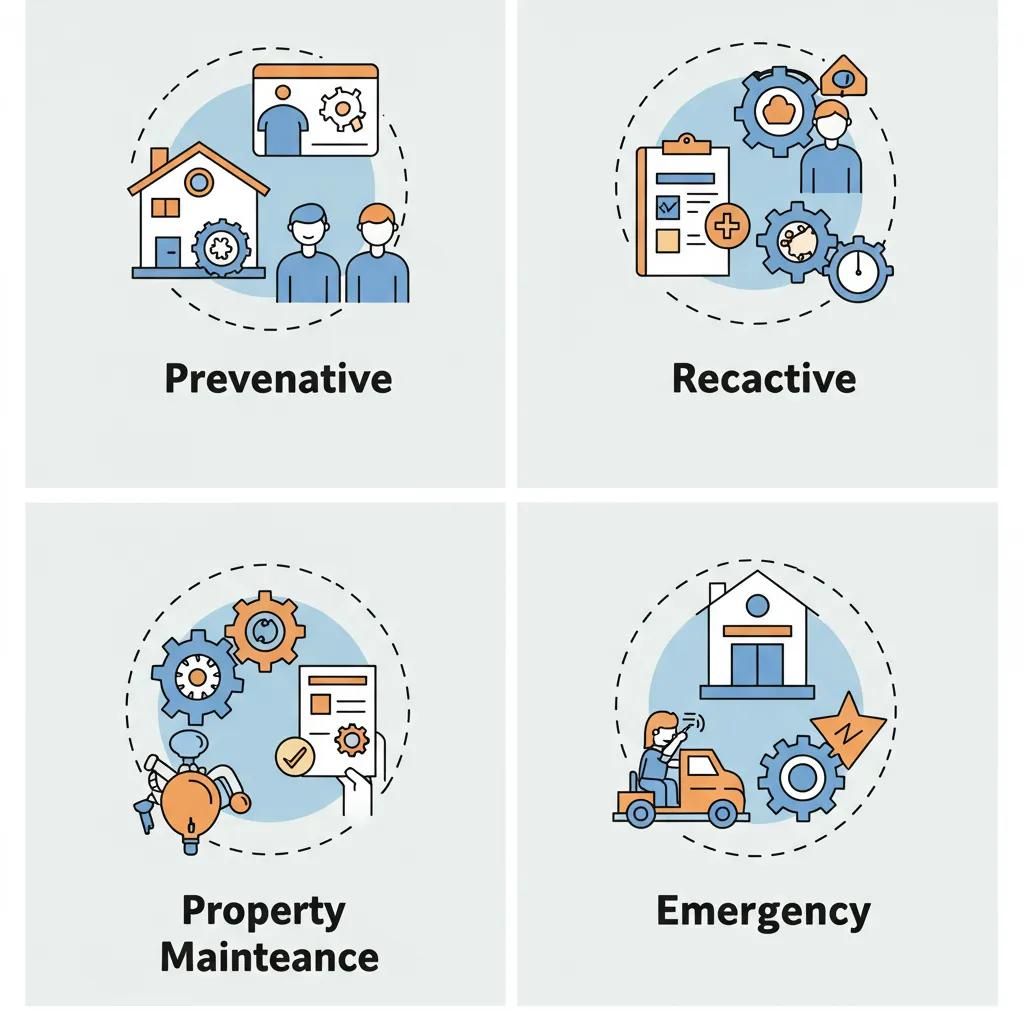
Property maintenance encompasses four core types—preventative, reactive, routine, and emergency—each tailored to different operational objectives. Understanding their distinct mechanisms and cost profiles enables managers to allocate resources strategically for optimal uptime and minimal downtime.
What Is Preventative Property Maintenance and How Does It Reduce Costs?
Preventative property maintenance involves scheduled servicing activities—such as filter replacements, gutter cleaning, and system calibrations—intended to forestall failures and extend equipment life. By detecting anomalies early, this proactive strategy reduces the frequency of emergency repairs and minimizes unplanned expenses. For example, inspecting plumbing fixtures quarterly can prevent pipe corrosion and eliminate extensive leak damage.
How Does Reactive Maintenance Differ and When Is It Necessary?
Reactive maintenance, also known as corrective maintenance, addresses failures after they occur rather than preventing them. This approach is necessary for unanticipated breakdowns—like a refrigerator compressor failure or sudden electrical outage—requiring immediate response. Although reactive work orders restore functionality quickly, heavy reliance on this method inflates emergency repair costs and undermines tenant satisfaction.
What Are Routine Maintenance Tasks for Residential and Commercial Properties?
These routine checks support preventative targets by creating consistent data points for performance assessment and workload planning.
How Should Emergency Property Repairs Be Handled Effectively?
- Immediate Assessment: Evaluate risk to health, safety, and property.
- Emergency Work Order Activation: Use maintenance software to dispatch qualified technicians.
- Containment Measures: Apply temporary fixes—such as tarping a damaged roof or shutting off water valves.
- Permanent Resolution: Schedule follow-up repairs and inspections to confirm issue resolution.
A swift, documented emergency workflow not only limits damage but also reinforces tenant confidence in property management responsiveness.
How Do You Create an Effective Property Maintenance Plan and Schedule?
An effective property maintenance plan outlines scope, timelines, responsibilities, and budgets for all maintenance activities. Integrating digital scheduling tools with seasonal checklists and vendor coordination ensures tasks are completed on time, stored securely, and tracked transparently.
What Are the Steps to Develop a Comprehensive Maintenance Schedule?
- Inventory Assets: Catalog building systems, equipment, and amenities.
- Define Task Frequencies: Assign inspection and servicing intervals based on manufacturer recommendations and regulatory requirements.
- Assign Responsibilities: Map each task to internal staff or approved vendors.
- Implement a Digital Calendar: Use real estate maintenance management platform features—such as automated reminders and mobile access—to enforce deadlines.
- Review and Adjust: Analyze completion rates and adjust frequencies or resources based on performance data.
Establishing this cadence promotes consistency, reduces scheduling conflicts, and institutionalizes maintenance best practices.
How Can Seasonal Property Maintenance Checklists Improve Efficiency?
Seasonal maintenance checklists align tasks with weather-driven priorities, reducing oversight risk. For example, autumn checklists include gutter cleaning and boiler inspections, while spring focuses on irrigation systems and exterior painting. By bundling climate-sensitive tasks into robust guides, property teams can optimize labor allocation and prevent seasonal breakdowns effectively.
What Is the Recommended Budgeting Approach for Real Estate Maintenance Costs?
A best-practice budgeting approach allocates 1–2% of property value annually to maintenance reserves, adjusting for building age, complexity, and historical expense trends. This rule-of-thumb method establishes financial cushions for routine upkeep and unexpected repairs. Integrating real-time cost tracking within a maintenance management platform provides transparency into spending patterns and facilitates mid-year budget recalibration.
How Do You Manage Vendors for Property Maintenance Services?
- Vendor Selection: Evaluate bids based on pricing, certifications, and service guarantees.
- Contractual Agreements: Define scope, response times, and quality standards.
- Performance Tracking: Use software dashboards to monitor work order completion rates and technician ratings.
- Feedback Loops: Conduct quarterly reviews and issue corrective action plans when service levels dip.
By establishing these vendor governance practices, managers strengthen reliability, reduce disputes, and secure competitive service agreements.
Which Technologies and Software Solutions Optimize Real Estate Maintenance?
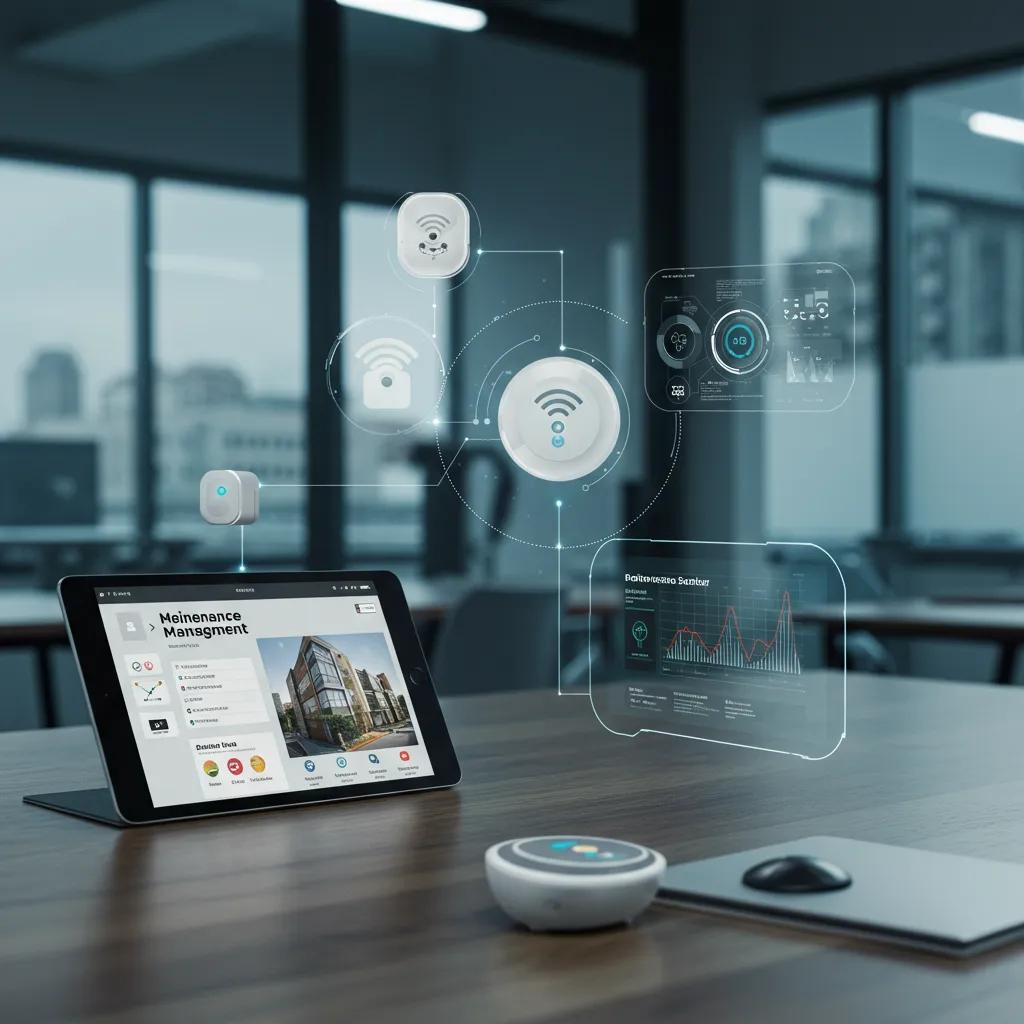
Advanced maintenance software and emerging technologies—such as CMMS platforms, IoT sensors, and AI-driven analytics—enable data-backed decision-making and predictive upkeep strategies.
What Features Should You Look for in Real Estate Maintenance Software?
Evaluating software through this EAV framework ensures solutions address operational, financial, and compliance objectives seamlessly.
How Does CMMS Software Benefit Property Management?
CMMS (Computerized Maintenance Management System) software centralizes maintenance workflows by storing asset histories, scheduling preventive tasks, and generating performance reports. This unified platform reduces administrative overhead, boosts technician productivity, and extends equipment lifecycles through structured servicing protocols.
How Can IoT and AI Enhance Predictive Property Maintenance?
IoT sensors collect continuous data on equipment vibrations, temperature fluctuations, and energy consumption. AI algorithms analyze these data streams to forecast failures—such as bearing wear in HVAC motors—enabling intervention before breakdown. This predictive maintenance approach maximizes uptime, optimizes resource allocation, and lowers total cost of ownership for critical systems.
Predictive Maintenance in Manufacturing: How AI Is Transforming Uptime, Costs & Safety
Research by Deloitte Analytics Institute suggests that implementing predictive maintenance, powered by AI and IoT, can lead to uptime improvements of 10-20% and reduce maintenance costs by up to 25%. This approach helps anticipate failures and optimize operational efficiency.
This research highlights the tangible benefits of integrating AI and IoT into maintenance strategies, validating the article’s discussion on how these technologies enhance predictive capabilities and operational performance.
How Do You Maintain Key Property Systems for Optimal Performance?
Critical property systems—HVAC, plumbing, electrical, roofing, and exteriors—require dedicated procedures to sustain safety, comfort, and regulatory compliance throughout the year.
What Are Best Practices for HVAC System Maintenance in Rental Properties?
An effective HVAC maintenance routine includes filter replacement, duct cleaning, refrigerant level checks, and thermostat calibration every three to six months. Technicians should inspect belts, bearings, and coils for wear, applying lubrication or component replacements as needed. Consistent HVAC servicing boosts energy efficiency and extends system lifespan, ensuring tenant comfort and minimizing emergency breakdowns.
How Can Plumbing System Maintenance Prevent Leaks and Damage?
Regular plumbing maintenance consists of pressure testing, drain cleaning, fixture inspections, and water heater servicing. Conducting annual leak detection scans—using acoustic devices—identifies pinhole leaks in concealed piping before they cause structural damage. Proactive pipe insulation in cold climates further prevents freeze-thaw failures and stabilizes water flow.
What Electrical System Safety Checks Are Essential for Properties?
Electrical maintenance must include panel inspections, circuit load analysis, GFCI and AFCI testing, and grounding verification on an annual basis. Certified electricians should examine wiring bundles and service switches for overheating or corrosion. These safety checks prevent electrical fires and ensure compliance with local electrical codes.
How Should Roof and Exterior Property Maintenance Be Conducted?
Exterior envelopes demand seasonal assessments of roofing materials, siding, flashing, and sealants. Roof inspections should focus on shingle integrity, membrane adhesion, and gutter clearances. Replacing worn flashings and repairing cracked masonry preserves structural waterproofing and prevents interior water infiltration, safeguarding asset condition and tenant spaces.
How Does Property Maintenance Increase Real Estate Value and Compliance?
Consistent maintenance elevates property valuations, enhances regulatory standing, and differentiates assets in competitive markets. A systematic approach to care and documentation positions properties for premium appraisal and tenant trust.
What Are the Financial Benefits of Proactive Maintenance?
Proactive maintenance yields a significant return on investment by avoiding expensive emergency repairs, extending equipment lifespans, and optimizing energy consumption. A study of multifamily assets shows that every dollar invested in preventive upkeep can save up to four dollars in deferred emergency repairs, amplifying net operating income over time.
The ROI of Preventive Maintenance: Is It Really Worth It?
Research consistently demonstrates that every dollar invested in preventive or predictive maintenance can save up to five dollars on unforeseen expenses. This strategy also leads to a reduction in maintenance costs by 12-18% and can generate a remarkable 400% return on investment.
This research quantifies the financial advantages of proactive maintenance, directly supporting the article’s claim about cost savings and return on investment.
How Does Maintenance Ensure Compliance with Safety and Legal Standards?
Maintenance documentation and scheduled inspections fulfill requirements established by building codes, fire safety regulations, and health statutes. Maintaining up-to-date logs and certification records demonstrates due diligence during audits, reduces liability risks, and preserves occupancy certificates for both residential and commercial premises.
What Are the Differences Between Commercial and Residential Property Maintenance?
Commercial and residential maintenance diverge in scale, regulatory complexity, and tenant expectations. Commercial properties often involve larger HVAC systems, fire suppression equipment, and stringent accessibility standards, requiring specialized vendor services and advanced monitoring tools. Residential properties emphasize personalized responses, interior finishes, and landlord-tenant covenant compliance. Both sectors benefit from an integrated maintenance management platform but demand tailored process flows.
How Does Maintenance Influence Tenant Retention and Satisfaction?
Consistent maintenance cultivates tenant loyalty by providing safe, functional, and attractive spaces. Rapid task completion, transparent communication channels, and visible upkeep activities reinforce tenants’ perception of professionalism and care, directly reducing turnover rates and vacancy costs.
What Are Common Property Maintenance Challenges and How Can They Be Overcome?
Property maintenance teams encounter obstacles—such as reactive workloads, communication breakdowns, and disjointed record-keeping—that threaten operational efficiency. Addressing these challenges through process optimization and technology integration is essential for seamless property stewardship.
What Are the Most Frequent Maintenance Requests in Property Management?
The most common maintenance requests include plumbing leaks, HVAC troubleshooting, electrical repairs, and appliance failures. Recognizing these high-frequency work orders allows managers to allocate preventative resources—such as annual fixture inspections—and empower tenants with self-service portals for routine issues.
How Can Maintenance Software Streamline Work Order Management?
Maintenance software consolidates incoming requests, automates priority assignments, and tracks job status from initiation to completion. By centralizing data, managers gain visibility into technician workloads, average response times, and recurring problem areas—enabling continuous process improvement and resource reallocation.
What Are Best Practices for Communication Between Property Managers, Tenants, and Vendors?
Effective communication relies on transparent channels, standardized messaging templates, and regular status updates.
- Tenant Portals: Provide real-time ticket tracking and completion notifications.
- Vendor Dashboards: Share work order instructions, site access notes, and invoice guidelines.
- Management Reports: Distribute monthly maintenance summaries to stakeholders, highlighting key metrics such as response time and cost savings.
Clear, consistent communication fosters collaboration, minimizes misunderstandings, and builds trust among all parties.
Properties that implement these strategies strengthen service quality and lay the groundwork for continued operational excellence.
Looking ahead, adopting a real estate maintenance management platform can integrate these best practices into a unified system, promoting long-term asset health and tenant satisfaction. Continuous refinement of processes—driven by data insights and proactive maintenance culture—will ensure properties remain competitive, compliant, and profitable. By embedding these strategies and leveraging technology, property owners and managers position themselves at the forefront of efficient, value-driven maintenance management.